<h1
How to Showcase Decorative Objects in Modern Interiors
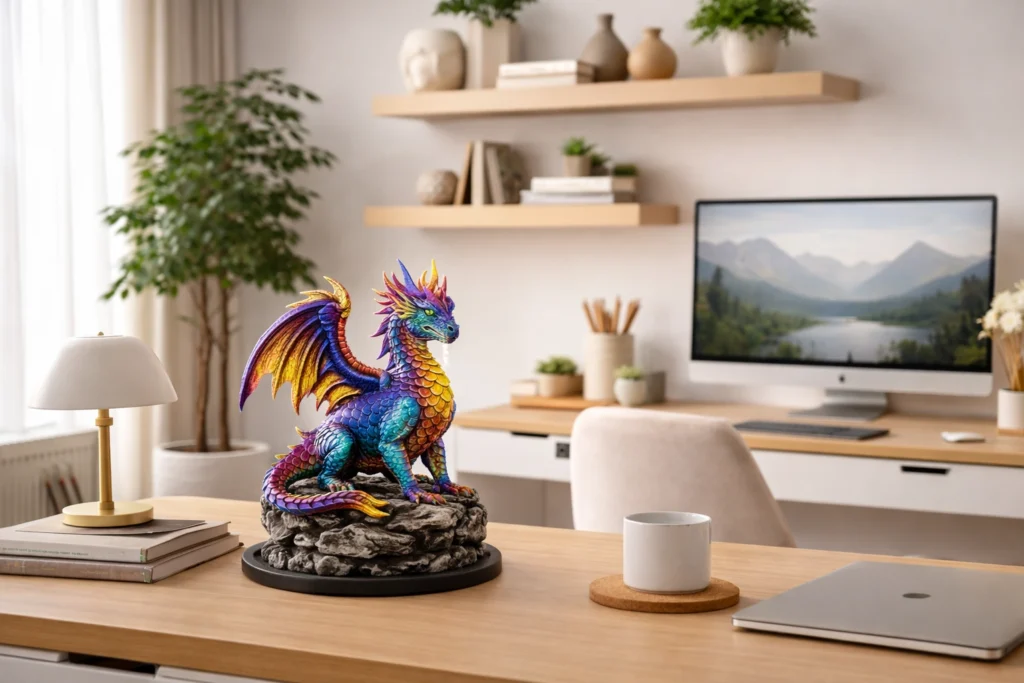
How to showcase decorative objects in modern interiors is a question many design lovers ask. In contemporary spaces, the balance between minimalism and personality is delicate. Too many objects can make a room feel cluttered, while too few can make it look cold or unfinished. The goal is to create a curated look where every decorative piece feels intentional and visually balanced.
Whether you collect sculptures, vases, snow globes, art prints, or 3D printed figures, the way you display them determines their impact. Modern interiors favor clean lines, open space, and thoughtful composition. In this guide, you’ll learn practical strategies to showcase decorative items in a way that enhances your space instead of overwhelming it.
Understand the Principles of Modern Interior Design
Before deciding how to display your decor, it helps to understand what defines modern interiors. Contemporary design typically emphasizes:
- Clean lines and simple shapes
- Neutral or muted color palettes
- Open and airy layouts
- Functional furniture with minimal ornamentation
- Intentional negative space
This doesn’t mean decorative objects are discouraged. Instead, they must be selected and placed with care. In modern interiors, each piece should contribute to the visual harmony of the room.
Choose Quality Over Quantity
One of the most important rules when deciding how to showcase decorative objects in modern interiors is to avoid overcrowding. Modern spaces thrive on simplicity. A few well-chosen pieces often make a stronger statement than dozens of small items competing for attention.
Ask yourself:
- Does this object reflect my style?
- Does it complement the room’s color palette?
- Does it add texture, contrast, or personality?
If the answer is no, it may be better stored or displayed elsewhere. A curated display feels intentional and elegant.
Use Functional Furniture Designed for Display
Showcasing decorative items often relies on functional furniture designed for display. In modern interiors, furniture is not just practical—it plays a major role in presentation.
Floating shelves, wall-mounted cabinets, and minimalist consoles provide structure without overwhelming the room. Wall-mounted solutions are especially effective because they free up floor space, maintain a clean silhouette, and create a light, airy feeling.
For example, a suspended TV unit with open compartments allows you to integrate decorative objects while keeping cables and clutter hidden. The contrast between open and closed storage maintains balance and organization.
Create Visual Balance Through Grouping
Grouping objects thoughtfully is essential. Instead of spreading items randomly across surfaces, use composition techniques to create harmony.
Try the rule of three:
- Group objects in sets of three with varying heights.
- Mix materials such as ceramic, metal, and glass.
- Combine shapes—round, tall, and horizontal elements.
This creates rhythm and depth while maintaining simplicity. Avoid placing objects in perfectly symmetrical lines unless symmetry is part of your intended aesthetic.
Embrace Negative Space
Negative space—empty space around objects—is crucial in modern design. It allows decorative pieces to “breathe” and stand out.
If every shelf is filled from edge to edge, the room will feel crowded. Leaving intentional gaps between objects enhances their presence and reinforces a minimalist aesthetic.
Think of negative space as a frame. It highlights what matters.
Highlight Key Pieces With Lighting
Lighting dramatically affects how decorative objects are perceived. In modern interiors, subtle lighting can transform a simple object into a focal point.
Consider:
- LED strips under floating shelves
- Spotlights directed at sculptures
- Warm accent lighting inside display units
Soft lighting creates depth and warmth, especially in neutral interiors. It also enhances textures and materials, making decorative pieces more visually engaging.
Coordinate Colors and Materials
When showcasing decorative objects in modern interiors, consistency matters. Objects should complement the existing palette of the room.
If your interior features neutral tones like beige, grey, or white, decorative items in muted metallics, natural wood, or matte ceramics will blend seamlessly. Bold accents can work too, but they should be intentional and limited.
Material contrast adds visual interest. For example:
- Glossy objects against matte walls
- Dark sculptures on light surfaces
- Glass decor on wooden shelves
These contrasts create dimension without visual chaos.
Define Focal Points
Every room benefits from a focal point. Instead of distributing decor evenly throughout the space, concentrate impact in one or two strategic areas.
This could be:
- A central shelf arrangement
- A console table styled with statement objects
- A wall-mounted display above a sofa
By defining focal points, you guide the eye naturally through the room and prevent decorative elements from feeling scattered.
Mix Decorative Objects With Functional Items
Modern interiors often blend decor with everyday objects. Books, trays, bowls, and storage boxes can double as decorative elements when styled thoughtfully.
For example:
- Stack books horizontally and place a small sculpture on top.
- Use decorative trays to group candles and vases.
- Incorporate storage baskets that match your design style.
This approach keeps the room practical while maintaining aesthetic appeal.
Consider Scale and Proportion
Scale is often overlooked but extremely important. Small objects can disappear on large surfaces, while oversized pieces may overwhelm a compact room.
To maintain proportion:
- Match object size to the furniture beneath it.
- Balance tall items with shorter, wider pieces.
- Avoid placing tiny decor on expansive walls without grouping.
A large wall may require a gallery arrangement or a bold statement piece rather than a single small object.
Rotate Decor Seasonally
Instead of displaying everything at once, rotate decorative objects throughout the year. This keeps your interior feeling fresh and intentional.
Seasonal rotation allows you to:
- Reduce clutter
- Highlight different pieces over time
- Adapt decor to seasonal moods
This strategy works especially well in modern interiors where minimalism is key.
Maintain Organization Behind the Scenes
A beautifully styled display quickly loses impact if the surrounding area is messy. Hidden storage is essential for maintaining a modern look.
Closed cabinets, drawers, and wall-mounted units help conceal cables, paperwork, and everyday items that would otherwise disrupt the clean aesthetic.
When functional furniture supports organization, decorative objects can truly shine.
Final Thoughts: Intention Is Everything
How to showcase decorative objects in modern interiors ultimately comes down to intention. Every item should feel purposeful, balanced, and integrated into the overall design.
By prioritizing quality over quantity, embracing negative space, using functional furniture designed for display, and coordinating lighting and materials, you can transform ordinary decorative objects into powerful design statements.
Modern interiors are not about removing personality—they’re about refining it. When styled thoughtfully, your decorative pieces can enhance the calm, structured beauty that defines contemporary living.