


THE #1 SPECIALIST IN 3D-PRINTED DRAGONS IN THE UK 🐉
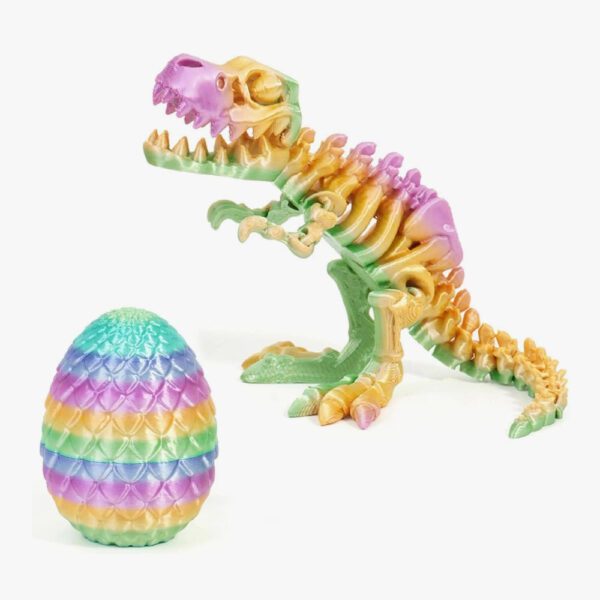
Our mission is simple: craft premium, articulated 3D-printed dragons with smooth motion, crisp scales, and everyday durability. Trusted by hundreds of collectors across the UK.
A 3D printer transforms a digital model into a physical object by building it one precise layer at a time. What once belonged mainly to industrial laboratories is now accessible to hobbyists, designers, students and small businesses. With the right machine, you can produce articulated toys, detailed figures,…
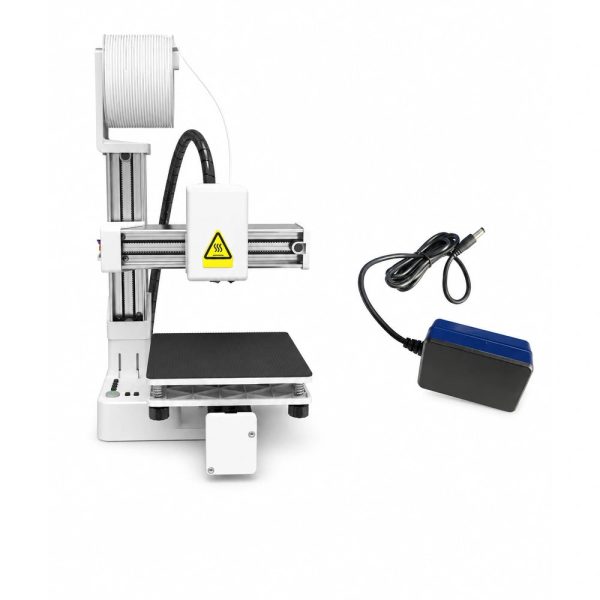
A 3D printer transforms a digital model into a physical object by building it one precise layer at a time. What once belonged mainly to industrial laboratories is now accessible to hobbyists, designers, students and small businesses. With the right machine, you can produce articulated toys, detailed figures, replacement components, prototypes, organisers and decorative pieces without relying on conventional moulds or large-scale manufacturing.
Our collection brings together desktop 3D printers suited to different experience levels and creative ambitions. Straightforward entry-level machines help beginners discover slicing, filament selection and basic calibration, while faster and more advanced systems provide the control required for larger or more complex projects. The ideal choice depends on what you plan to print, the materials you want to use and the amount of space available in your workshop or home.
Modern models increasingly include features that simplify setup. Automatic bed levelling can reduce the time spent preparing the build platform, while filament detection helps prevent a spool from running out unnoticed during a lengthy job. Power-loss recovery may allow an interrupted print to continue, and flexible build plates make finished objects easier to remove. Wi-Fi connectivity, built-in cameras and remote monitoring can also make it more convenient to follow progress without remaining beside the machine.
Print speed is an important specification, but it should be considered alongside accuracy and reliability. A high maximum figure does not guarantee that every model should be produced at that speed. Detailed miniatures, narrow structures and complex surfaces often benefit from slower, controlled movements. A stable frame, effective motion system and well-adjusted extrusion profile all contribute to consistent results. ⚙️
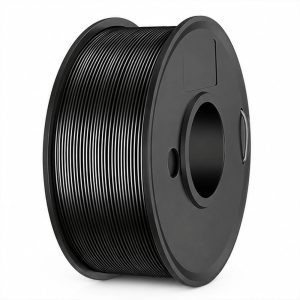
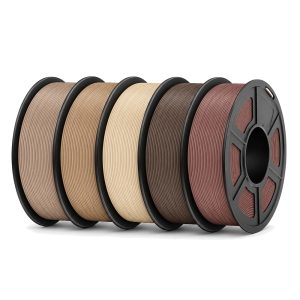
FDM, also known as filament printing, is one of the most common technologies used by desktop machines. A spool feeds thermoplastic material into a heated nozzle, which deposits it across the build plate according to the sliced digital model. The process is well suited to toys, household accessories, functional prototypes and larger objects. PLA is a popular starting material because it is widely available, relatively straightforward to print and offered in numerous colours and finishes.
A filament 3D printer may also support PETG, TPU, ABS or specialist composites, although compatibility varies by machine. PETG is often selected for parts requiring additional toughness, while TPU creates flexible objects such as grips and protective components. Higher-temperature materials may require an enclosed build area, suitable ventilation and components designed to tolerate more demanding printing conditions. Always check the supported filament types rather than assuming that every reel will work with every printer.
Resin printers use a different process. Liquid photopolymer is selectively cured with light to form each layer, enabling very fine details and smooth surfaces. This makes resin technology particularly attractive for miniature figures, jewellery prototypes, tabletop models and display pieces. However, it requires a dedicated workflow involving protective equipment, careful handling, washing and final curing. Uncured resin should never be touched with bare skin, and the equipment must be operated in a suitable, well-ventilated area according to the manufacturer’s instructions.
The build volume indicates the largest area in which an object can be produced. A compact machine may be sufficient for miniatures, small toys and individual components. A larger print area provides more freedom for helmets, scenery, multi-part projects or batches of smaller objects, but it also requires additional workspace. Remember to account for the printer’s complete external dimensions, spool holder and moving components rather than considering the build plate alone.
Resolution and layer height influence the visible finish. Smaller layers can reproduce finer surface details but usually increase production time. For practical accessories, a standard profile may provide a good balance between speed and quality. Highly detailed figures often benefit from finer settings. Nozzle diameter also affects this relationship: a smaller nozzle can enhance detail, whereas a larger one can deposit more material and complete substantial models more quickly. 🧵
Ease of use should be matched to your experience. A beginner may prefer a mostly assembled machine with automatic calibration and well-prepared material profiles. This allows more time to be spent choosing models and understanding the printing process rather than repeatedly adjusting hardware. An enthusiast who enjoys experimentation may value broader material support, replaceable components and extensive manual controls.
The build platform plays a major role in first-layer adhesion. A heated bed can help the material remain stable as the object takes shape, while a removable flexible plate makes finished pieces easier to release. An enclosure helps maintain a more consistent temperature and can protect the moving components from accidental contact. It may also be useful in homes where dust, pets or frequent movement around the workspace would otherwise disturb the machine.
Software is another essential part of the experience. Before printing, a digital model must pass through a slicer, which converts its geometry into the instructions followed by the printer. The user chooses settings such as layer height, infill, wall thickness, supports and print speed. Clear software, dependable preset profiles and compatibility with common file formats can make the transition from downloaded model to finished object considerably smoother.
Think about the full cost of ownership rather than focusing only on the initial price. Filament or resin, replacement nozzles, build surfaces, cleaning supplies and maintenance parts contribute to long-term use. Multi-colour systems may also generate additional material waste during colour changes. A machine with readily available consumables and replacement components can be easier to maintain over several years.
Noise and placement should not be overlooked. Motors, cooling fans and rapid movement can make a printer noticeable during long jobs. A solid table reduces vibration, while a dedicated room or workshop area limits disruption. The machine should be kept on a stable, heat-resistant surface with sufficient clearance around its moving parts. It should not be left operating in an unsuitable environment, and younger users should have appropriate supervision. 🛠️
The intended projects ultimately determine which specifications matter most. Fast filament machines suit prototypes, articulated toys and practical objects. Large-format models provide room for substantial parts, while resin systems prioritise small-scale precision. Multi-material or multi-colour capabilities appeal to users who want vivid models without painting each section separately. Identifying your main use before comparing technical features prevents you from paying for capabilities that may rarely be needed.
Explore our 3D printer collection and find a machine suited to creative modelling, practical manufacturing or detailed miniature production. Compare printing technology, build volume, supported materials and calibration features before making your choice. Whether you are discovering additive manufacturing for the first time or expanding an established workspace, the right printer provides a reliable path from digital concept to finished three-dimensional object. 🚀
Our mission is simple: craft premium, articulated 3D-printed dragons with smooth motion, crisp scales, and everyday durability. Trusted by hundreds of collectors across the UK.

We constantly update our catalogue with new models, from sleek mini desk dragons to large showpieces, flexible articulated styles, and special editions.

Contact us anytime at: alphatindustrial@gmail.com

No matter where you live, we deliver worldwide straight to your door. Place your order in just a few clicks—our team takes care of the rest.