

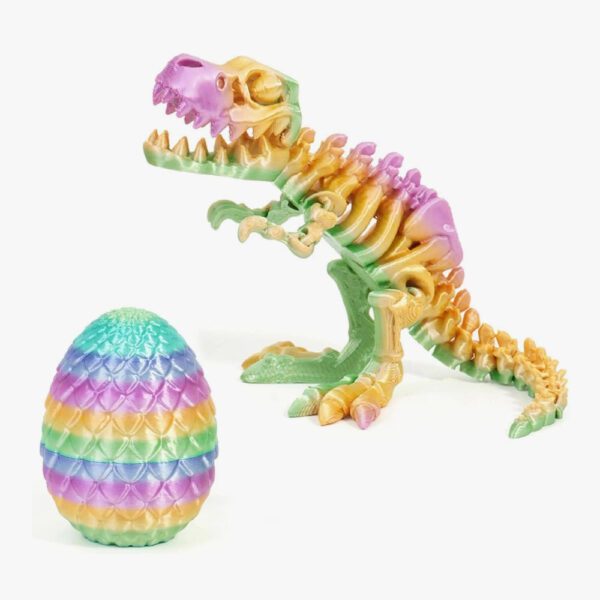

THE #1 SPECIALIST IN 3D-PRINTED DRAGONS IN THE UK 🐉
Our mission is simple: craft premium, articulated 3D-printed dragons with smooth motion, crisp scales, and everyday durability. Trusted by hundreds of collectors across the UK.
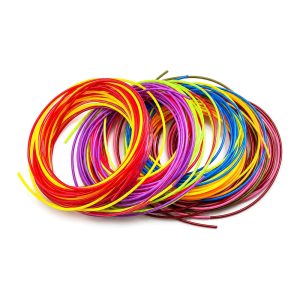
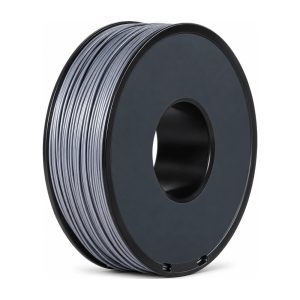
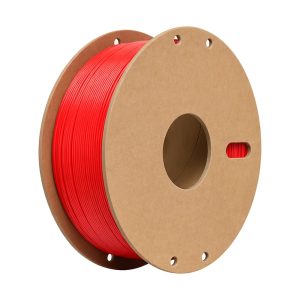
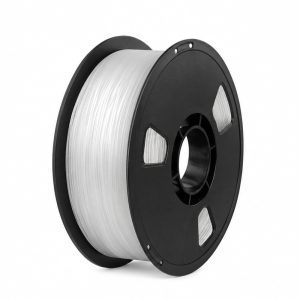
Every successful print begins with the right 3D printer filament. The material you load into your machine affects far more than colour: it influences layer adhesion, surface quality, mechanical strength, flexibility and resistance to heat. Our collection is designed for makers who want to create detailed models, useful…
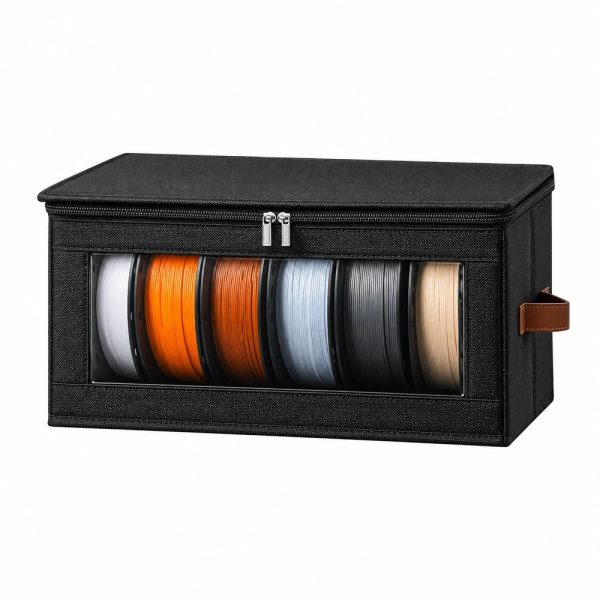
Every successful print begins with the right 3D printer filament. The material you load into your machine affects far more than colour: it influences layer adhesion, surface quality, mechanical strength, flexibility and resistance to heat. Our collection is designed for makers who want to create detailed models, useful accessories, prototypes or durable replacement parts with greater confidence. Whether you are learning the basics of FDM printing or already producing complex objects, choosing a consistent filament can reduce failed prints and make calibration considerably easier.
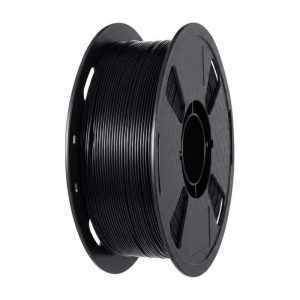
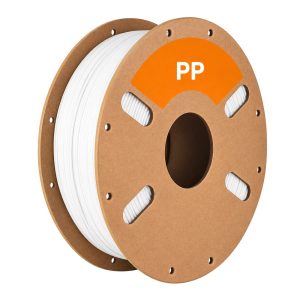
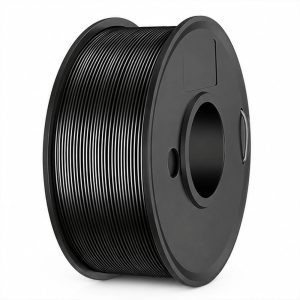
Most desktop FDM machines work with 1.75 mm filament, the standard diameter found across a wide range of printers. Diameter consistency matters because an irregular strand can disturb material flow and cause under-extrusion, excessive deposits or visible imperfections. A neatly wound spool is equally valuable during lengthy jobs, as it allows the filament to unwind smoothly without tangling midway through a model. These characteristics help provide a stable extrusion rate from the first layer to the final detail.
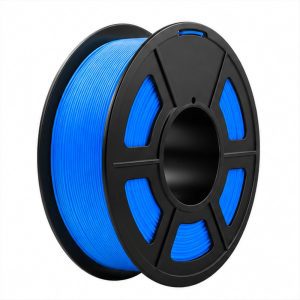
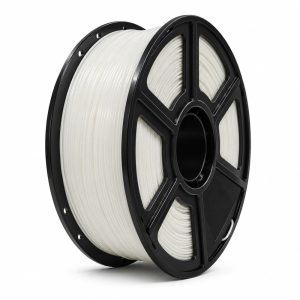
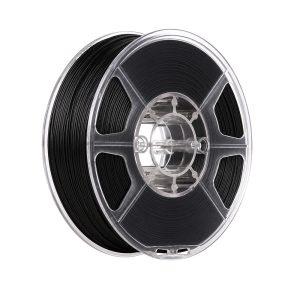
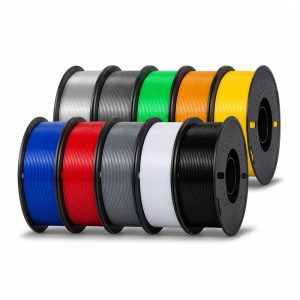
Our range includes materials suited to decorative creations, articulated figures, miniatures, household organisers, workshop tools and functional components. Classic colours are ideal for prototypes, while brighter shades, gradients and distinctive finishes help transform an ordinary digital file into a display-worthy object. You can select each reel according to its intended purpose instead of compromising between appearance and performance. From a small weekend creation to a multi-part build, reliable 3D printing filament gives every idea a stronger foundation. 🧵
PLA filament is one of the most accessible choices for everyday 3D printing. It is widely appreciated for its straightforward settings, good dimensional accuracy and ability to reproduce fine details. These qualities make it suitable for figurines, ornaments, architectural models, storage solutions and visual prototypes. PLA usually requires less temperature management than more technical thermoplastics, making it useful for beginners as well as experienced users who want dependable results without unnecessary adjustments.
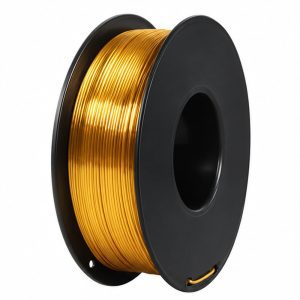
Different PLA finishes allow the appearance of a model to change without extensive post-processing. Matt filament can soften the visibility of layer lines, while silk PLA creates a glossier surface for decorative objects, vases and display pieces. Marble-effect, wood-inspired, rainbow and multicolour varieties offer further creative possibilities. PLA+, meanwhile, is often formulated to provide improved toughness or layer bonding compared with a conventional blend, although its precise properties can vary between formulations.
PETG filament offers an attractive middle ground when a project needs more durability than standard PLA. It combines solid layer adhesion with a degree of flexibility and impact resistance, making it suitable for brackets, protective housings, practical accessories and parts subjected to frequent handling. PETG can also tolerate moderately higher temperatures. Correct retraction, cooling and nozzle settings help control stringing and produce a cleaner surface.
ABS filament is intended for projects requiring toughness and improved heat resistance. It is frequently chosen for mechanical prototypes, enclosures, mounts and functional components. However, ABS contracts as it cools and can warp when exposed to rapid temperature changes. A heated print bed and enclosed build chamber generally provide a more stable environment. Appropriate ventilation should also be maintained when printing materials that require elevated temperatures.
Flexible TPU filament is the natural choice for objects that need to bend, compress or absorb impacts. It can be used for grips, protective bumpers, seals, flexible covers and wearable accessories. As this material is softer than standard thermoplastics, it generally benefits from reduced printing speeds and a carefully controlled filament path. Each material therefore has a distinct role: PLA prioritises accessibility and detail, PETG balances printability with durability, ABS supports more demanding applications, and TPU introduces controlled flexibility. ⚙️
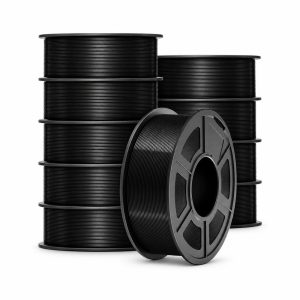
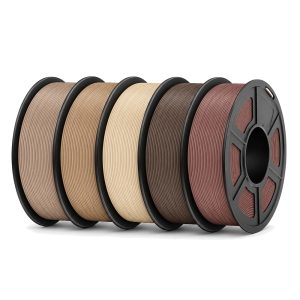
Colour can completely reshape the character of a printed object. Black, white and grey spools deliver a clean, understated appearance for prototypes and functional pieces. Vivid tones are ideal for toys, articulated creatures and decorative accessories, while pastel shades can complement ornaments and interior objects. Metallic, silk and gradient effects add visual depth to models without requiring painting, allowing the layers themselves to become part of the finished design. 🌈
Before choosing a spool, check its diameter and recommended temperature range against the specifications of your printer. A 1 kg reel is a practical option for regular use, while smaller spools make it possible to test unusual colours or specialist materials before committing to a larger quantity. Your slicer can estimate the weight and length required according to the scale, infill, supports and number of walls used in the model. This helps prevent an almost-empty reel from interrupting a long print.
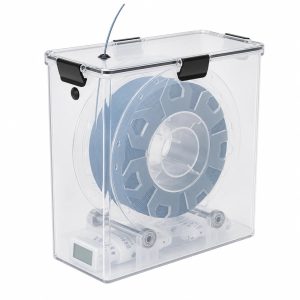
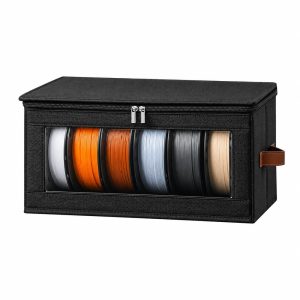
Proper storage also plays a major role in maintaining filament quality. Many thermoplastics gradually absorb moisture from the surrounding air. Damp material may produce excessive stringing, inconsistent extrusion or a rough finish, even when the printer settings have not changed. Keeping opened reels inside sealed containers or storage bags with desiccant helps protect them between projects. Nylon and TPU are particularly sensitive to humidity, but PLA and PETG can also benefit from careful storage.
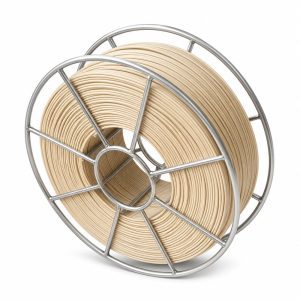
Print settings should always be adapted to the material rather than applied universally. Nozzle temperature, heated-bed temperature, retraction, cooling and speed can all influence the final result. The manufacturer’s recommended range provides a useful starting point, although a small calibration model can help identify the best profile for an individual machine. Composite filaments containing wood particles, minerals or reinforcing fibres may also require a larger or wear-resistant nozzle.
Explore our 3D printer filament collection to find the right combination of material, diameter, colour and finish for your next creation. From easy-to-print PLA and durable PETG to heat-resistant options and flexible TPU, every spool offers new ways to turn a digital design into a physical object. Select a filament that matches the conditions in which the finished part will be used, prepare the appropriate slicer profile and let your printer build the idea one precise layer at a time.
Our mission is simple: craft premium, articulated 3D-printed dragons with smooth motion, crisp scales, and everyday durability. Trusted by hundreds of collectors across the UK.

We constantly update our catalogue with new models, from sleek mini desk dragons to large showpieces, flexible articulated styles, and special editions.

Contact us anytime at: alphatindustrial@gmail.com

No matter where you live, we deliver worldwide straight to your door. Place your order in just a few clicks—our team takes care of the rest.